
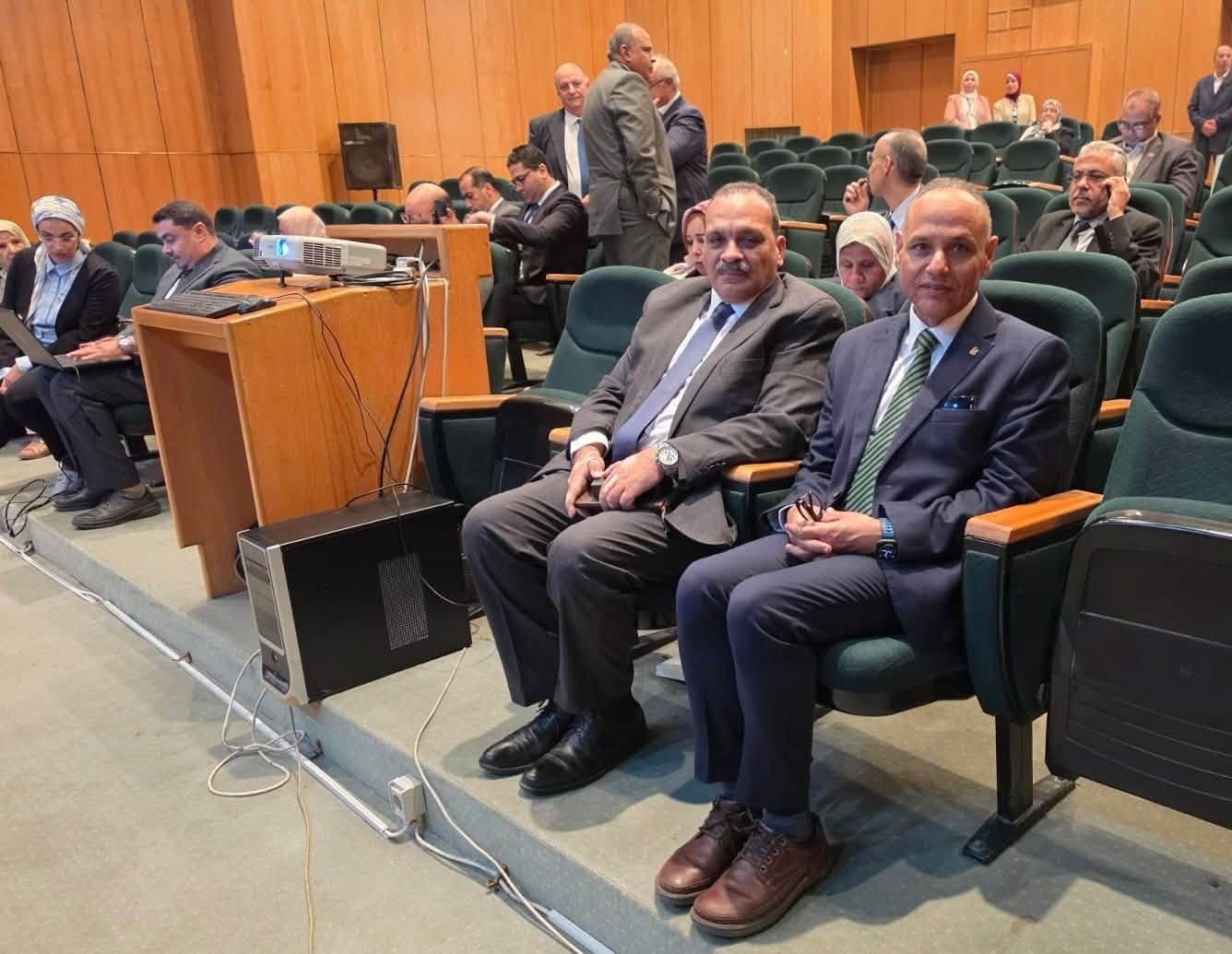
Benha National University participated in the preparatory meetings for the Technical Support Organisations Self-Assessment (TOSCA) methodology, organised by the International Atomic Energy Agency (IAEA) at the Nuclear and Radiological Safety Research Centre of the Egyptian Atomic Energy Authority from 19 to 22 October 2026. The participation forms part of the University’s efforts to strengthen academic and research cooperation and support innovation and entrepreneurship.
The University’s delegation was headed by Prof. Tamer Samir, President of Benha National University, accompanied by Prof. Mahmoud Saqr, Vice President for Employment, Innovation and Entrepreneurship. Their participation reflects the University’s commitment to strengthening cooperation with national and international scientific and research institutions and drawing on international expertise and methodologies to enhance institutional performance and advance scientific research and innovation.
The meetings brought together a distinguished group of leaders and experts, including Prof. Nader Abdel Halim, Vice President of the Egyptian Atomic Energy Authority for Research Projects, and Prof. Nadia Helal, Head of the Nuclear and Radiological Safety Research Centre, alongside experts from the International Atomic Energy Agency and representatives of the relevant ministries and authorities.
The programme addresses the activities of Technical Support Organisations (TSOs) in Egypt, reviews key achievements and challenges, and provides training on the application of the TOSCA self-assessment tool. It also incorporates Strengths, Weaknesses, Opportunities and Threats (SWOT) analysis to identify areas for improvement and strengthen national capabilities in accordance with relevant international standards and practices in nuclear safety and radiation protection.
Benha National University’s participation reflects its commitment to broadening cooperation with specialised research institutions and strengthening the integration of academic knowledge with practical applications. These efforts support the development of research and innovation and create new opportunities for knowledge exchange and the establishment of scientific partnerships.